



Search on ZonMw
Search on the website
Filters
The results are updated as soon as you change a filter.
190
results found for 'Policy'.
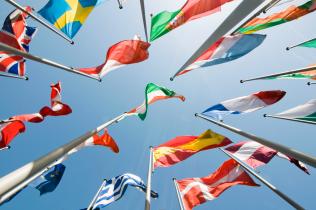 Internationaal is ZonMw een partner in diverse initiatieven al dan niet medegefinancierd door de Europese Commissie. Onder Horizon Europe neemt ZonMw deel aan co-funded partnerschappen.
 This page provides information about data management and FAIR data, and examples thereof in ZonMw’s programmes.
- There is ongoing policy discussion and public debate about the net effects of the non-medical interventions (NMIs) that were put in place to mitigate the spread of COVID-19. These measures were implemented to control the pandemic and may have produced unanticipated negative health effects, especially during lockdown times when the “stay-at-home order” (SHOs) were in place for non-essential workers…
- COVID-19 measures, such as lockdowns, reduced the spread of non-COVID respiratory infections, which are linked to the development of neurological autoimmune diseases like narcolepsy, multiple sclerosis, and Guillain-Barré syndrome. LUMC, Amsterdam UMC, and Sleep-Wake Center SEIN will investigate whether COVID-19 measures reduced the number of new autoimmune disease cases. The societal effects of…
 Read more about the grant options that promote implementation.
 Welke gevolgen hebben de maatregelen tegen COVID-19 gehad? ZonMw financiert onderzoek naar de effecten van deze maatregelen op verschillende aspecten van de samenleving. Lees hier de belangrijkste onderdelen en ontdek meer over het onderzoek.
- The COVID-19 pandemic affected population segments in various ways. Using data from the Health Monitor COVID-19, we examine across different age groups (youth, young adults, adults and elderly) whether people who experienced high versus low negative impact of the COVID-19 pandemic differ demographically. We then analyse associations between physical health, mental health and lifestyle by age and…
 What knowledge is needed in the Netherlands for a healthy living environment? See how ZonMw supports policy, facilitates research and promotes knowledge application.
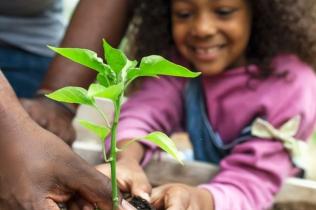 Praktijkprofessional, pas de resultaten uit onderzoek toe in de praktijk zodat een gezonde leefomgeving ontstaat voor de inwoners.
 Samenwerken, netwerken en verbinden. Lees hoe ZonMw vakkennis inzet bij activiteiten die een gezonde leefomgeving bevorderen.
 ZonMw programmes and funds health research and innovation in care, encourages the use of the knowledge developed and defines the areas where knowledge is needed.